
What Are Environmental Allergies?
If you’ve ever wondered what are environmental allergies, you’re not alone. Environmental allergies are one of the most common reasons people deal with sneezing, congestion, itchy eyes, and other frustrating symptoms throughout the year.
These allergies happen when your immune system mistakes harmless substances in your surroundings for a threat. That immune system overreaction can lead to mild discomfort for some people — and major disruptions in daily life for others.
Understanding what causes environmental allergy symptoms, how environmental allergies affect the body, and what treatment options are available can make a big difference in your quality of life.
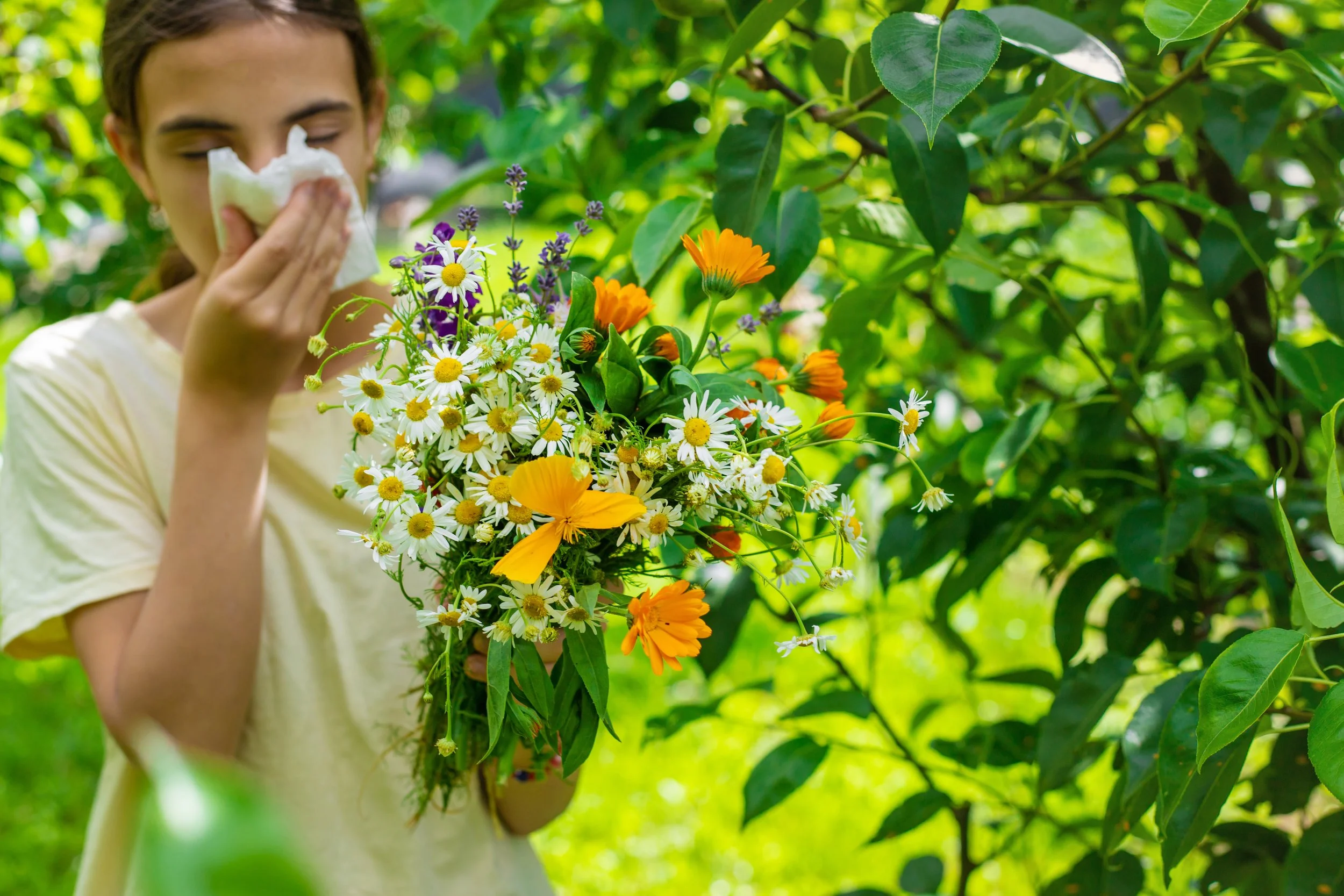
What Are Environmental Allergies?
Environmental allergies occur when the body’s immune system overreacts to substances in the environment called environmental allergens. These allergens are usually harmless to most people, but in sensitive individuals, the body’s immune response can trigger inflammation and uncomfortable allergy symptoms.
Common environmental allergens include:
Pollen from trees, grasses, and other plants
Dust mites
Pet dander
Mold and outdoor mold
Cockroaches and cockroach droppings
Unlike food allergies, which often cause immediate and sometimes severe allergic reactions, environmental allergies typically affect the respiratory system and develop through repeated exposure to allergens in the air or home.

Common Environmental Allergy Symptoms
Many environmental allergy symptoms overlap with colds or sinus issues, which is why some people don’t realize allergies are the cause.
Common symptoms include:
Runny nose
Nasal congestion
Sneezing
Watery eyes
Itchy nose, throat, or eyes
Postnasal drip
Coughing
Pressure in the sinuses
Difficulty breathing
Worsening asthma symptoms
For some people, environmental allergies affect sleep, focus, work, and time spent outdoors. Ongoing inflammation can also contribute to recurring sinus infections or worsen allergic rhinitis, also known as hay fever.

Which Environmental Allergens Trigger Allergic Reactions?
Different allergens cause symptoms at different times of year or in different environments. A few of the most common include:
Dust Mites
Dust mites are tiny organisms that thrive in bedding, upholstery, carpets, and other soft surfaces. They feed on dead skin cells and do especially well in humid environments.
You’ll often find dust mites in:
Mattresses
Pillows
Box springs
Carpets
Curtains
Stuffed animals
Because they live indoors, dust mites can trigger symptoms year-round.
Pollen
Pollen allergies are especially common in spring, summer, and fall. Depending on the season, you may react to:
Tree pollen
Grass pollen
Weed pollen and pollen from other plants
During pollen season, symptoms often get worse after spending time outdoors, especially on dry, windy days. It helps to check pollen counts regularly before going outside.
Pet Dander
Pet allergies are often caused by proteins found in animal skin flakes, saliva, and urine — not just fur. Pet dander can linger in the air and on furniture long after a pet leaves the room.
Mold
Mold and molds are tiny fungi that grow in damp environments and release tiny particles into the air. Mold exposure may worsen during humid weather and in areas with poor ventilation.
Common places mold grows include:
Bathrooms
Basements
Kitchens
Around leaks
Outdoor areas with leaves or shade
Cockroaches
Cockroaches and cockroach droppings can also trigger allergic reactions, especially in urban or older housing environments.

How Environmental Allergies Affect the Body
When environmental allergies occur, the immune system overreacts to a substance like pollen or dust. The body produces IgE antibodies, which signal the release of chemicals like histamine.
That’s why the body reacts with symptoms like:
Sneezing
congestion
itching
watery eyes
inflammation in the nasal passages and airways
In short, the immune system overreacts because it identifies a harmless allergen as dangerous. This is why even very small exposures can trigger symptoms in sensitive people.
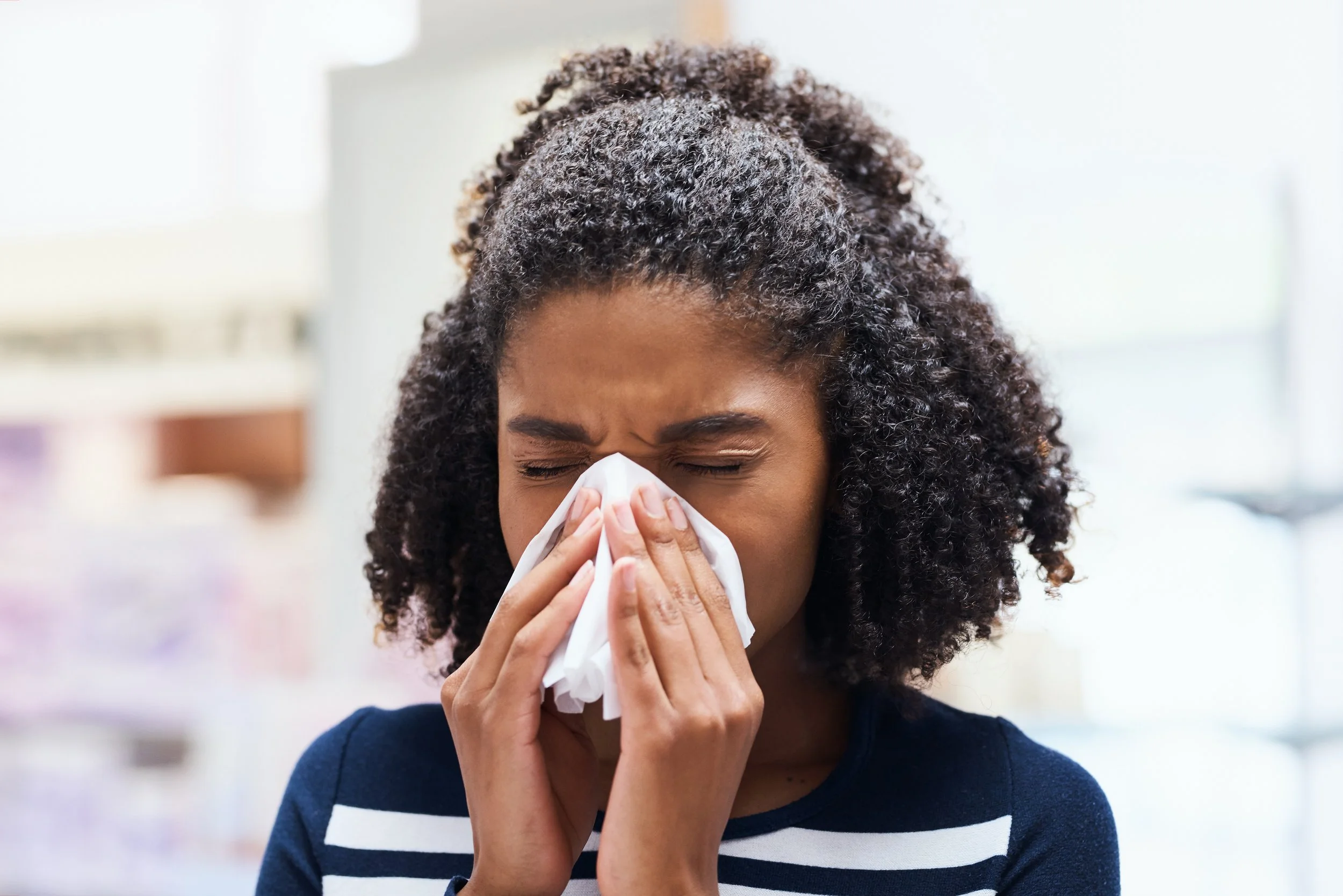
Environmental Allergies vs. Other Allergies
It’s important to understand that environmental allergies are different from some other allergic conditions.
Unlike food allergies, environmental allergies rarely cause rapid, severe full-body reactions after eating
They more often affect the nose, eyes, sinuses, skin, and lungs
They can be seasonal or year-round depending on whether the trigger is from outdoor allergens or indoor allergens
That said, some people with environmental allergies also have asthma, eczema, or food allergies, which can complicate diagnosis and treatment.

How Are Environmental Allergies Diagnosed?
If you suspect allergies, a healthcare provider can evaluate your symptoms, review your medical history, and recommend allergy testing.
Common testing methods include:
Skin Prick Test
A skin prick test or skin prick test places tiny amounts of suspected allergens on the skin to see whether the body responds with a small reaction.
Blood Tests
In some cases, blood tests may be used to measure IgE antibodies connected to specific allergens.
Testing can help identify:
Dust mites
Pet dander
Grass pollen
Tree pollen
Mold
Cockroach allergens
Other specific allergens
Getting accurate results is an important first step toward building the right treatment plan.

Treatment Options for Environmental Allergies
The best treatment depends on your symptoms, triggers, and how much allergies are affecting your daily life.
Avoiding Allergens
You may not be able to completely prevent environmental allergies, but you can reduce exposure and lower symptom severity.
Helpful strategies include:
Check pollen counts before outdoor activities
Keep windows closed during high-pollen days
Shower after spending time outdoors
Wash bedding in hot water
Use high efficiency particulate air filters
Reduce humidity in humid environments
Clean soft surfaces where allergens collect
Keep pets out of bedrooms if you have pet allergies
Wear glasses outside to reduce pollen exposure to the eyes
Over-the-Counter and Prescription Relief
Treatment may include:
Over the counter antihistamines
Nasal sprays
Decongestants
Eye drops
Asthma medications if symptoms involve the lungs
Allergy Shots
For persistent or severe symptoms, allergy shots may help. These gradually expose the body to allergens in controlled amounts to reduce sensitivity over time.
For many patients, allergy shots can improve long-term control and reduce dependence on daily medications.
A provider trained in clinical immunology and allergy care can help determine which treatment options make the most sense for you.

When to See a Healthcare Provider
You should talk with a healthcare provider if:
Symptoms last for weeks or months
You have frequent congestion, sneezing, or watery eyes
Your symptoms interfere with sleep or work
You have recurring sinus infections
Allergies are making asthma symptoms worse
Over the counter treatments are not helping enough
A specialist can review your medical history, identify triggers, and create a personalized treatment plan.

What Are Environmental Allergies? Final Takeaway
So, what are environmental allergies? They’re a condition in which the immune system reacts to everyday substances like pollen, dust mites, pet dander, and mold. These allergens can cause everything from runny nose and nasal congestion to difficulty breathing and worsening asthma.
The good news is that with proper allergy testing, targeted treatment, and practical lifestyle changes, most people can manage symptoms effectively and improve their quality of life.
If you think environmental allergies may be affecting you or your family, working with an allergy specialist can help you identify triggers and get the right care.
Need Help Managing Environmental Allergies?
At Pioneer Valley Allergy, we help patients identify environmental allergens, understand their symptoms, and create personalized treatment plans for long-term relief. From allergy testing to allergy shots, our team is here to help you breathe easier and feel better.
📞 Call: (413) 628-5187
📍 Location: 212 Southampton Rd Unit B, Westfield, MA 01085