
Should I Get My Child Tested for Insect Venom Allergies?
If your child has had a concerning reaction to an insect sting, you may be wondering: should I get my child tested for insect venom allergies?
For many families, an insect sting causes only pain, swelling, and redness at the sting site. But in some children, stinging insects can trigger a much more serious allergic reaction involving hives, swelling, stomach symptoms, or trouble breathing. Knowing the difference between a normal reaction, a large local reaction, and a true venom allergy can help you decide when allergy testing is the right next step.
At Pioneer Valley Allergy, we provide venom allergy testing for the five major stinging insects commonly in our environment: honey bee, yellow jacket, yellow hornet, white-faced hornet, and paper wasp.

When Should I Get My Child Tested for Insect Venom Allergies?
In general, testing is most helpful if your child has had a systemic reaction after an insect sting. That means the reaction went beyond the sting site and affected other parts of the body.
A systemic allergic reaction may include:
hives away from the sting
swelling beyond the sting area
stomach cramps
vomiting or diarrhea
difficulty breathing
coughing or wheezing
throat tightness or a hoarse voice
dizziness
a drop in blood pressure
signs of life threatening anaphylaxis
If your child had any of these symptoms after a sting, it is a good idea to speak with an allergist. Consulting an allergist is recommended for children with severe allergic reactions, especially when there is concern for future severe reactions.
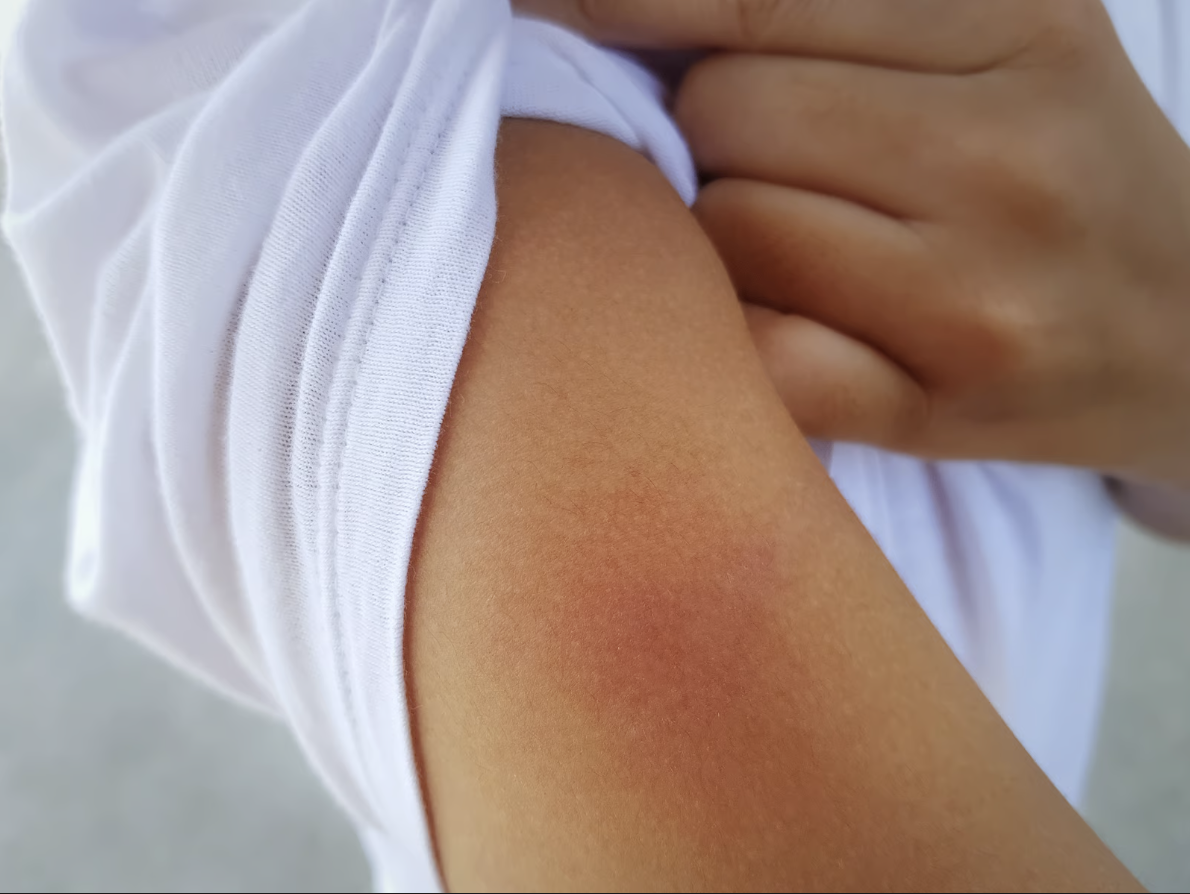
What Counts as a Normal Reaction to an Insect Sting?
Not every reaction means your child has an insect allergy.
A non allergic reaction or normal reaction may include:
pain
redness
swelling at the sting site
mild itching
soreness for a day or two
Some children also develop a large local reaction, meaning the swelling becomes more dramatic around the area of the sting. This can look alarming, but large local reactions usually do not mean a child is at high risk for a future life threatening reaction.
In many cases, large local reactions that do not cause systemic symptoms rarely require testing.

What Symptoms Suggest a More Serious Venom Allergy?
A true stinging insect allergy involves the immune system reacting to insect venom in a way that can affect the whole body.
Symptoms of insect sting allergies can include:
hives
widespread itching
facial swelling
intense nausea
abdominal cramping
vomiting
diarrhea
chest tightness
difficulty breathing
dizziness
fainting
a sharp drop or loss in blood pressure
These severe allergic reactions can happen quickly. In some cases, anaphylaxis can occur within 10 minutes of an insect sting, which is why immediate medical attention matters.

When Is Venom Allergy Testing Recommended?
Testing is recommended if a child experiences a systemic reaction to a sting. It is usually not recommended for children who have never had a systemic reaction.
Testing can help:
identify which insect venom caused the reaction
assess the risk of future allergic reactions
guide personalized treatment plans
determine whether to prescribe an epinephrine auto injector
help decide whether to recommend venom immunotherapy
In general, testing should be performed 6 weeks after the sting for accurate results.

How Does Venom Allergy Testing Work?
At Pioneer Valley Allergy, venom allergy testing begins with a detailed review of your child’s history, including:
which insect may have caused the sting
what symptoms happened
how quickly the reaction started
whether emergency treatment was needed
whether your child has had reactions to past stings
Skin Testing
Testing often starts with a skin prick test using venom extract. In some cases, skin prick results may be followed by intradermal testing.
Blood Test
A blood test measuring venom-specific IgE may be used if skin testing cannot be performed or if more information is needed.
Testing helps create a more accurate diagnosis, although it is important to know that a positive test does not always predict a future allergic reaction.
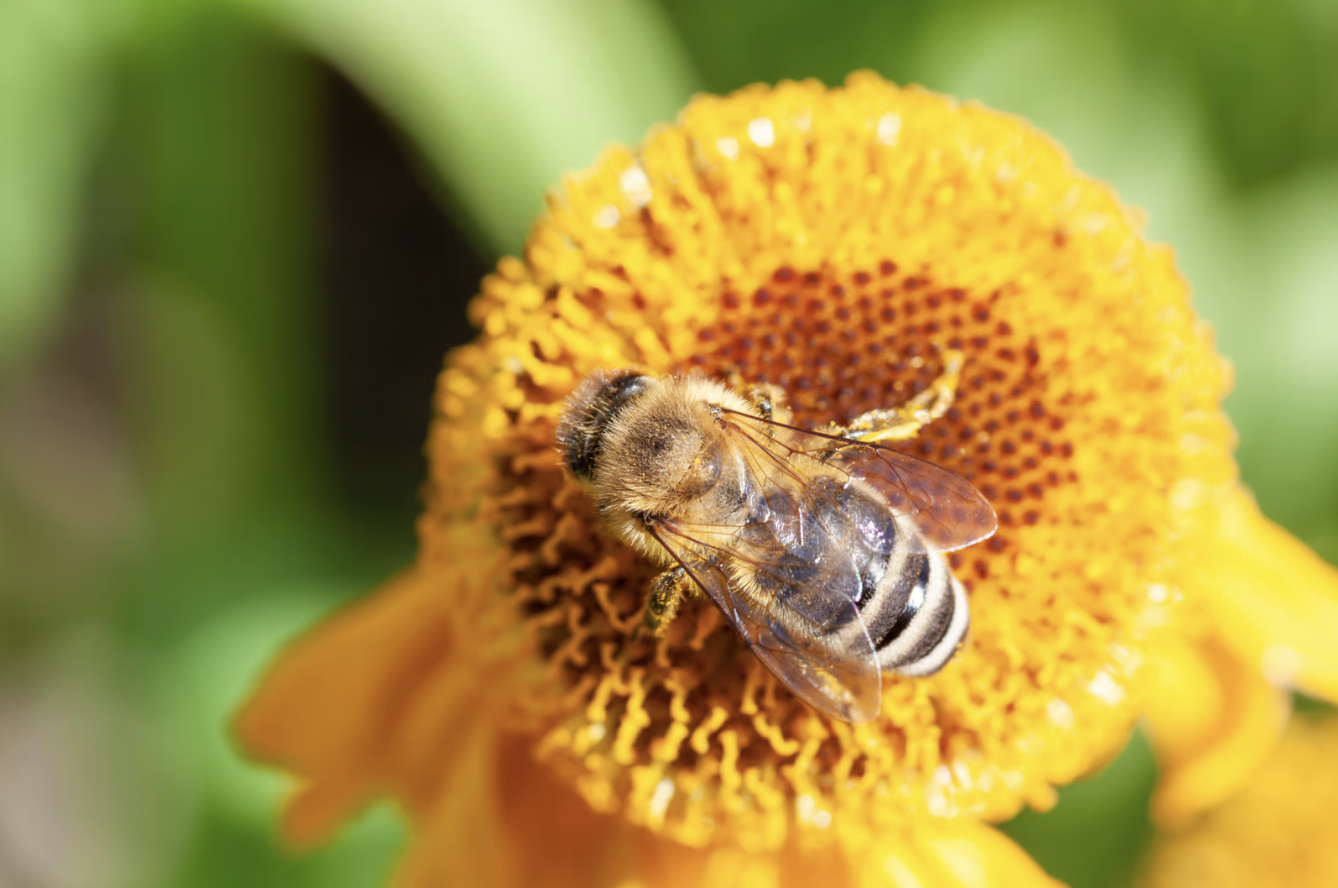
Which Insects Are Usually Tested?
Pioneer Valley Allergy commonly evaluates reactions to:
honey bee
yellow jacket
yellow hornet
white-faced hornet
paper wasp
In some cases, allergists may also consider other insects depending on travel, regional exposure, or special circumstances. For example, fire ants are more common in some other areas than in Massachusetts.
Because there can be some cross reactivity between certain venoms, testing helps clarify which insects may cause a reaction.

What If My Child Needs Emergency Treatment?
If your child develops signs of a serious reaction after an insect sting, seek immediate medical attention.
Emergency care may include:
injectable epinephrine
oxygen
observation
oral antihistamines
corticosteroids
Children with a known severe allergy may be prescribed an epinephrine auto injector, and patients should carry two doses of injectable epinephrine.
If your child has asthma, that matters too. Children with uncontrolled asthma are at higher risk for severe reactions, especially if the reaction affects breathing.

Can Venom Immunotherapy Help?
Yes. For children with confirmed insect venom allergies, venom immunotherapy can be highly effective.
This treatment:
uses gradually increasing doses of venom extract
is given over time under medical supervision
helps the immune system become less reactive
can prevent future allergic reactions or make them much less severe
Important facts families should know:
Venom immunotherapy significantly reduces allergic reactions to stings
venom immunotherapy is greater than 90% effective
patients usually continue treatment for several years
in some cases, treatment can allow patients to tolerate two bee stings without reaction
For the right child, this can make a major difference in safety and quality of life.

Will My Child Always Be Allergic to Insect Stings?
Not always. In fact, most children outgrow insect venom allergies or experience mild reactions over time.
Some data suggests:
80% of children lose insect venom allergy over time
50% of adults lose it over time
That said, some children remain at risk, and a child who has already had a systemic reaction may still have a similar or worse reaction with future insect stings. That is why evaluation by board certified allergists and experienced allergy providers can be so important.

How Can I Help Prevent Future Stings?
While you cannot prevent every insect sting, there are steps families can take to reduce risk, especially during late spring and summer when stinging insects are most active.
Helpful prevention tips:
keep food covered outdoors
avoid open garbage cans
do not disturb bee or wasp nests
avoid sweet drinks left uncovered outside
wear shoes outdoors
wear lighter or white clothing
avoid perfumes or strongly scented products outside
It is also helpful to know that insect repellents do not work against stinging insects.
If your child is stung:
move away from the area quickly
remove the stinger if visible
avoid squeezing the venom sac if present
watch closely for signs of a systemic reaction

Should I Get My Child Tested for Insect Venom Allergies? Final Answer
So, should I get my child tested for insect venom allergies?
If your child had only mild swelling or redness at the sting site, testing is usually not necessary. But if your child had hives, trouble breathing, vomiting, dizziness, or another systemic reaction after an insect sting, venom allergy testing may be an important next step.
Testing can help identify the cause, guide emergency planning, and determine whether treatments like venom immunotherapy may help reduce the risk of future severe reactions.
Need Venom Allergy Testing in Massachusetts?
At Pioneer Valley Allergy, we provide venom testing for the major stinging insects commonly associated with serious allergic reactions, including honey bee, yellow jacket, yellow hornet, white-faced hornet, and paper wasp.
If your child has had a concerning reaction to an insect, our team can help you understand the risks and build a safe, personalized care plan.
📞 Call: (413) 628-5187
📍 Location: 212 Southampton Road Unit B, Westfield, MA 01085