
What Allergies Are Tested in a Patch Test?
If you’ve been dealing with an ongoing rash, irritation, or unexplained contact dermatitis, you may be wondering: what allergies are tested in a patch test?
Patch testing is a specialized type of allergy patch testing used to identify substances that may be causing allergic contact dermatitis. Unlike a skin prick test, which is often used for environmental or food allergies, a skin patch test is designed to detect delayed reactions that develop after your skin comes into contact with a specific substance.
At Pioneer Valley Allergy, patch testing helps patients identify common contact allergens and better understand what may be affecting their skin.

What Allergies Are Tested in a Patch Test?
A patch test looks for allergies to substances that commonly trigger allergic contact dermatitis. These are not usually the same allergens involved in food allergies or seasonal allergy symptoms.
Instead, patch testing helps identify reactions to contact allergens such as:
Metals
Chemicals
Ingredients in cosmetics
Fragrances
Preservatives
Topical medications
Other substances that regularly come into contact with the skin
If your skin becomes red, itchy, inflamed, or develops a rash after exposure to certain products or materials, allergy patch testing may help determine the cause.

How Patch Testing Works
Many patients ask how patch testing work actually happens. The process is simple, but it takes place over multiple days to allow time for delayed reactions to appear.
During the test:
Small patches containing small amounts of potential allergens are applied to the upper back
The patches are secured with hypoallergenic tape
The test area usually stays in place for 48 hours
Patients return for follow-up checks to see whether the skin reacts
Additional readings may happen over several days to identify positive reactions
Because patch testing checks for delayed allergic responses, the reaction does not always appear right away. That is one of the biggest differences between a skin patch test and other types of allergy testing.
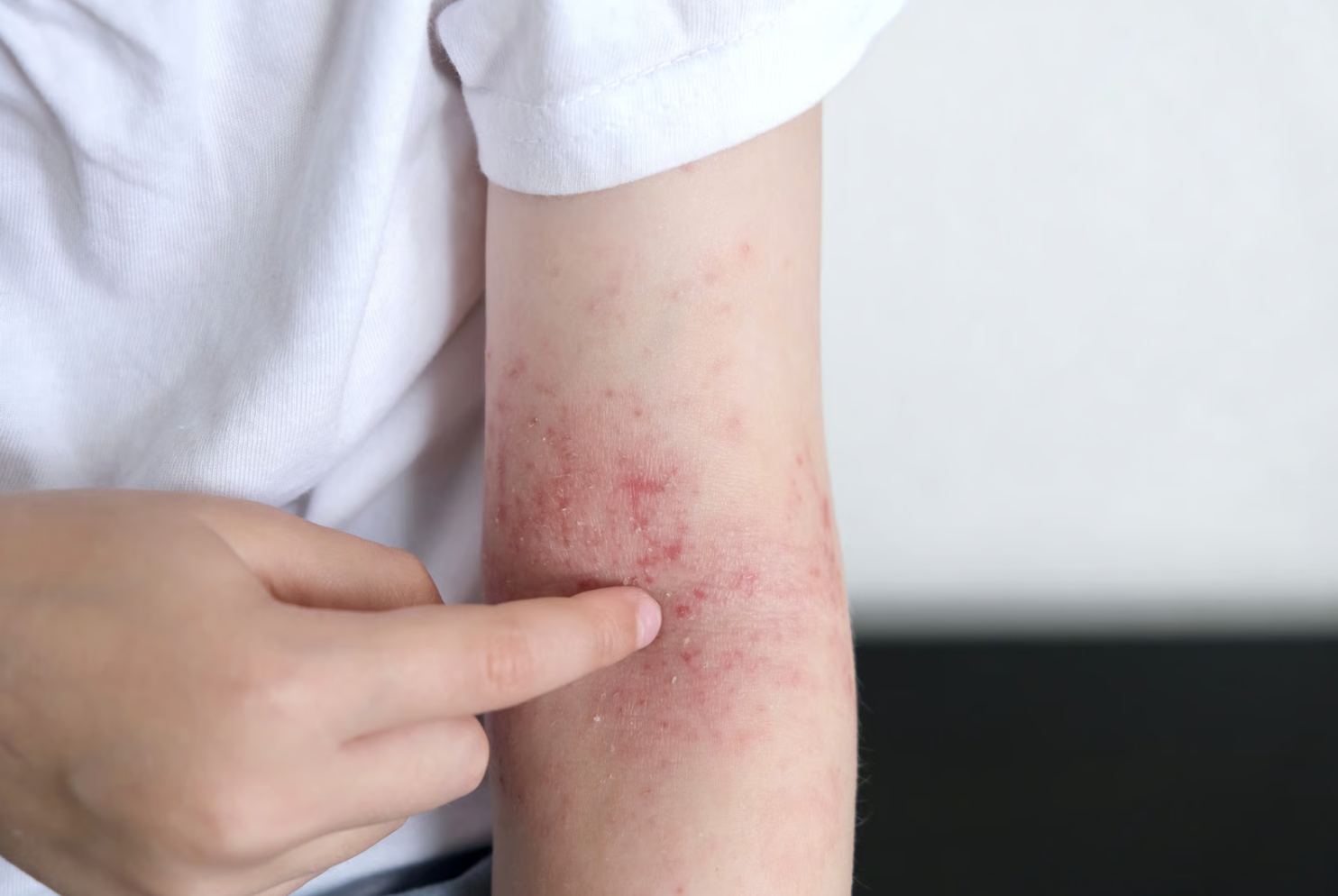
What Conditions Can Patch Testing Help Identify?
Patch testing is most commonly used to help identify the cause of:
Allergic contact dermatitis
Chronic or recurring eczema
Skin irritation linked to workplace or personal product exposure
Rashes that appear after contact with a specific allergen
Ongoing itching, redness, or inflammation without a clear cause
If you have dermatitis that keeps returning, patch testing can help your doctor identify which substances may be responsible.

What Patch Testing Does Not Test For
This is an important distinction. Patch testing is not used to diagnose every kind of allergy.
It is not typically used for:
Food allergies
seasonal allergies
asthma triggers
immediate reactions such as hives that happen right away
testing usually done with skin prick or scratch tests
A skin prick test is better for allergies that cause immediate symptoms. Patch testing is used when symptoms develop later, often after the skin has been exposed to something over time.

What to Expect at Your First Visit
At your first appointment or first visit, your provider will review your medical history, symptoms, and the pattern of your rash or skin irritation.
You may be asked about:
personal care products
workplace exposures
hobbies
medications
metal exposure
recent changes in soaps, detergents, or creams
whether you’ve noticed a connection between symptoms and a certain specific substance
Your provider may also recommend bringing product labels or even safety data sheets if you suspect a work-related trigger.
This information helps healthcare providers choose the most relevant allergens for your test and improve the chances of getting accurate results.

How to Prepare for a Skin Patch Test
To help ensure accurate results, patients are usually given preparation instructions before testing.
These may include:
avoiding excessive sun exposure
not applying certain creams or topical medications to the testing area
asking your doctor about antihistamines or other medications before the procedure
wearing loose clothing
avoiding activities that could make the back wet
planning ahead if you have long hair, since the patches are often placed on the upper back
Because the patches must stay in place, patients are often asked to avoid activities that involve sweating, friction, or getting the area wet.
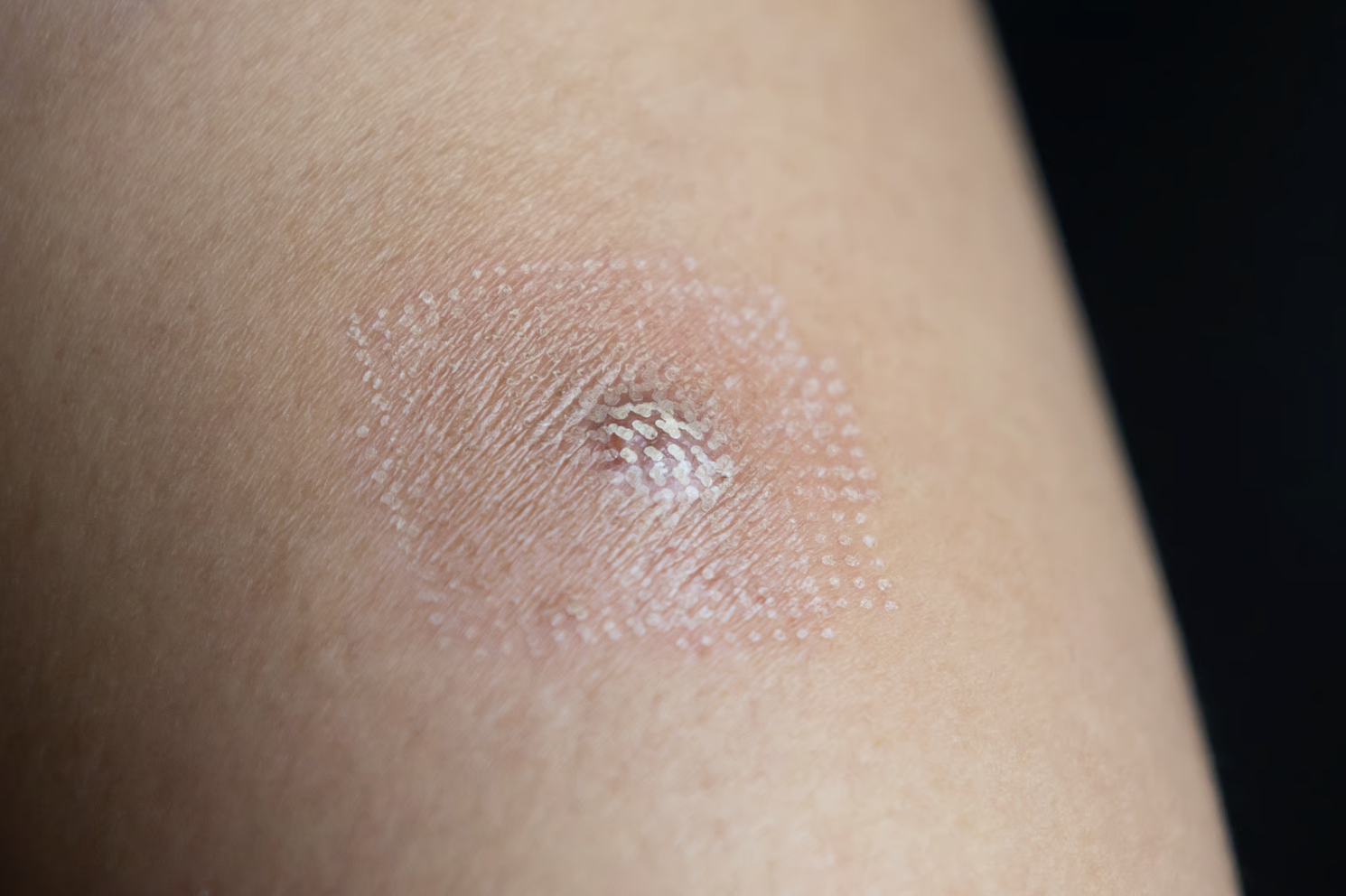
What a Positive Reaction Looks Like
If the skin is allergic to a tested substance, the provider may see positive reactions such as:
Mild redness
swelling
irritation
an itchy patch
a more noticeable skin reaction
in some cases, a strong reaction
These findings help identify the specific allergen responsible for symptoms. Once that allergen is identified, your provider can recommend ways to avoid it and guide your treatment plan.

Can Patch Testing Cause Severe Allergic Reactions?
Patch testing is generally considered safe and is widely used by allergists and dermatologists. Because the test looks for delayed skin-based reactions rather than immediate systemic allergy responses, severe allergic reactions are uncommon.
Some patients do experience:
temporary itching
redness
burning
irritation
mild discomfort
In most cases, these reactions are expected and manageable.

Why Allergy Patch Testing Matters
When skin symptoms keep coming back, it can be frustrating not knowing what’s causing them. Allergy patch testing gives patients and healthcare providers a way to identify the triggers behind chronic contact dermatitis and other delayed skin reactions.
This can help:
reduce repeat flare-ups
improve comfort
guide product choices
support more effective treatment
help patients better protect their skin over time
Need Patch Testing in Westfield, MA?
At Pioneer Valley Allergy, we provide patch testing to help patients identify common contact allergens and better manage allergic skin reactions. If you’re dealing with persistent contact dermatitis, rash, or irritation, our team is here to help.
📞 Call: (413) 628-5187
📍 Location: 212 Southampton Road Unit B, Westfield, MA 01085